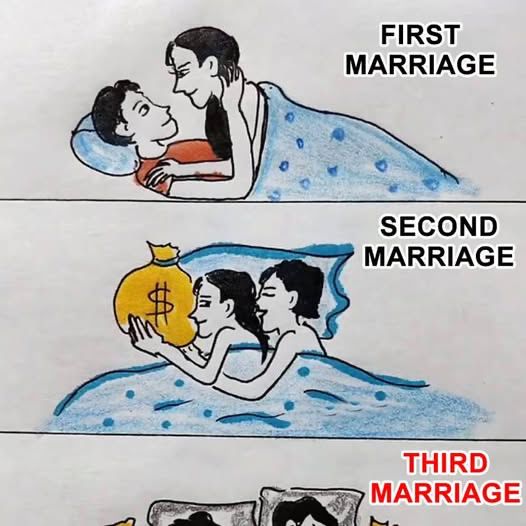
The Biggest Difference Between First, Second, and Third Marriages
.
Marriage, often described as one of life’s greatest adventures, tends to evolve with experience. The journey from a first to a second—or even a third—marriage reflects personal growth, changing priorities, and lessons learned along the way.
First marriages are often filled with idealism and high expectations. Many couples enter them with dreams of a perfect life together, sometimes without fully understanding the realities of long-term commitment. When challenges arise, they can be difficult to navigate without the emotional tools that come from life experience.
Second marriages often come with a greater level of self-awareness and emotional maturity. After experiencing the challenges and lessons that come from a first marriage, many individuals enter a second union with a clearer understanding of themselves, their values, and what they truly want in a long-term partner. Rather than being guided only by emotion, excitement, or social expectations, people in second marriages tend to approach the relationship more thoughtfully and carefully. They are often more realistic about the effort that a healthy relationship requires, and they understand that lasting partnerships depend on patience, communication, compromise, and mutual respect.
One of the most important differences in second marriages is the level of self-reflection individuals bring with them. Many people have spent time analyzing what went wrong in their previous relationship, what role they themselves may have played, and what they hope to do differently in the future. This process of reflection can lead to a deeper sense of personal responsibility and emotional growth. Instead of repeating past mistakes, individuals may work more intentionally on building trust, understanding boundaries, and maintaining open and honest communication with their partner.
In many cases, people entering a second marriage also have a better understanding of their emotional needs and expectations. They often know what qualities they value most in a partner—such as honesty, kindness, reliability, emotional stability, or shared life goals. At the same time, they may have a clearer idea of what they themselves can contribute to a relationship. This awareness helps create a more balanced partnership where both individuals understand each other’s strengths, weaknesses, and needs.
However, second marriages can also introduce new complexities that were not present in the first marriage. One common challenge involves blended families. When one or both partners have children from previous relationships, the process of combining families can require patience, understanding, and careful communication. Children may have their own emotional reactions, loyalties, and concerns about the new relationship. As a result, couples in second marriages often need to invest additional effort into creating a supportive and respectful family environment where everyone feels heard and valued.
Financial planning is another area that can become more complicated in second marriages. Individuals may bring existing financial responsibilities such as child support, shared assets from previous relationships, or personal financial goals that must be carefully managed. Conversations about money, property, and long-term financial security can require openness and cooperation in order to build trust and avoid misunderstandings.
Another factor that can influence second marriages is emotional baggage. Past experiences, including divorce, heartbreak, or conflict, can sometimes leave lasting emotional effects. These experiences may create fears, insecurities, or protective behaviors that both partners must learn to understand and navigate together. However, when couples approach these challenges with empathy and honesty, these past experiences can actually strengthen the relationship by encouraging deeper understanding and compassion.
Despite these challenges, many second marriages benefit from the maturity that individuals gain through previous relationships. Having already experienced the realities of long-term commitment, many people develop stronger communication skills and a greater willingness to work through difficulties rather than avoid them. They may also be more patient with imperfections, recognizing that no relationship is completely free of challenges.
Third marriages, on the other hand, are often shaped by even deeper levels of introspection and personal growth. Individuals who enter a third marriage have typically gone through multiple significant life experiences that have influenced their understanding of relationships and personal happiness. By this stage, many people have spent considerable time reflecting on their past decisions, their emotional patterns, and the qualities that truly matter in a long-term partnership.
In third marriages, priorities often shift even more strongly toward companionship, emotional connection, and mutual support. Rather than focusing primarily on traditional expectations—such as social status, financial stability, or conventional family roles—many individuals place greater value on emotional harmony, shared understanding, and the ability to enjoy life together peacefully. The desire for stability, calmness, and genuine partnership often becomes more important than external pressures or societal expectations.
Another important characteristic of third marriages is the emphasis on compatibility in everyday life. Couples may prioritize shared values, similar lifestyles, and the ability to communicate openly about both small and significant issues. They often recognize that long-term happiness depends not only on love but also on friendship, respect, and the ability to support one another during both good times and difficult moments.
People entering a third marriage may also have a stronger sense of independence and self-confidence. After experiencing multiple relationships, they often understand their personal boundaries more clearly and are less willing to remain in situations that create constant conflict or emotional stress. As a result, third marriages may be built on a foundation of mutual respect, personal freedom, and the understanding that both partners choose to be together rather than feeling obligated to stay.
Additionally, many individuals in third marriages place greater emphasis on emotional peace and quality of life. Rather than pursuing perfection, they may focus on creating a relationship that feels supportive, calm, and fulfilling. Shared experiences—such as traveling, spending time with family, enjoying hobbies, or simply supporting each other’s goals—can become central aspects of the relationship.
It is also common for people in third marriages to value honest communication more than ever before. Having experienced the consequences of unresolved conflicts or misunderstandings in the past, they may be more willing to address issues directly and work toward solutions together. This openness can strengthen trust and create a deeper emotional bond between partners.
Ultimately, every marriage is unique and shaped by the personal experiences, personalities, and life circumstances of the individuals involved. Whether it is a first, second, or third marriage, no two relationships are exactly the same. Each partnership develops its own dynamics, challenges, and strengths over time.
What truly determines the success of any marriage is not simply the number of times someone has been married, but the willingness of both partners to grow, adapt, and support each other throughout life’s changes. Communication, empathy, patience, and emotional maturity remain essential ingredients in building a strong and lasting relationship.
When two people are willing to learn from their past experiences, understand each other’s perspectives, and work together toward shared goals, a marriage can become a meaningful partnership that continues to evolve over time. Whether it is the excitement of a first marriage, the renewed hope of a second, or the deeply reflective nature of a third, the foundation of a successful relationship always rests on mutual respect, emotional growth, and the commitment to build a future together.