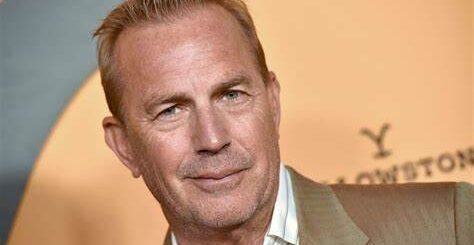
From Malibu Mischief to Sobriety: The Tumultuous, Scandal-Filled, and Ultimately Redemptive Journey of a Hollywood Icon
His life has often felt like a spectacle, unfolding under relentless bright lights while the world watched every rise and fall. Born into Hollywood royalty, Charlie Sheen grew up surrounded by fame, intensity, and a culture where ordinary rules rarely applied. From the outside, it looked like a dream life-access, opportunity, and legacy already written. But behind the glamour was an environment that blurred the line between success and
survival.
As the son of legendary actor Martin Sheen, Charlie was immersed in the film industry from the very beginning.
Movie sets, long shoots, and the emotional highs and lows of acting were not occasional experiences-they were part of daily life. One of the most haunting family memories came during the filming of Apocalypse Now, when his father suffered a near-fatal heart attack on set.
For many families, such a moment would serve as a warning about the dangers of stress and ambition. But in the Sheen household, it became just another chapter in a life already defined by extremes.
That early exposure shaped Charlie in ways that would later define his career and personal struggles.
Hollywood didn’t just welcome him—it accelerated his rise. In his early twenties, he quickly established himself as a serious actor with undeniable charisma. His performances in Platoon and Wall Street turned him into a household name. He had the rare combination of talent, intensity, and a rebellious edge that audiences found irresistible. Directors trusted him, fans admired him, and the industry positioned him as one of the brightest stars of his generation.
But success came at a cost, and for Sheen, that cost was deeply personal. The same energy that fueled his performances also fed a growing appetite for excess. As fame intensified, so did the pressure—and his response was to lean into a lifestyle that mirrored the chaos around him. Parties became routine, and substances like alcohol and cocaine became constant companions. What started as indulgence soon turned into dependency.
His personal life began to unravel publicly. Headlines followed him everywhere, documenting a pattern of behavior that became increasingly difficult to ignore. Stories of escorts, legal troubles, and explosive outbursts filled tabloids and news cycles. Unlike many celebrities who managed to keep their struggles private, Sheen’s battles unfolded in real time, turning his life into a form of public entertainment.
At one point, the chaos became inseparable from his identity. Viral interviews and erratic appearances didn’t just attract attention—they defined him. Phrases he uttered during televised meltdowns spread across the internet, becoming memes that were repeated endlessly. The world watched, laughed, criticized, and speculated, often forgetting that behind the spectacle was a real person losing control.
This period marked one of the darkest chapters of his life. Professionally, he was still achieving success, particularly through television, but personally he was spiraling. The contrast was striking: on screen, he remained confident and composed; off screen, he was struggling to maintain stability. It was a dual existence that could not last forever.
The turning point came with a revelation that shocked both fans and the industry. In 2015, Sheen publicly disclosed that he was living with HIV. The announcement sent shockwaves through Hollywood and beyond. For many, it was a moment of empathy—a reminder that even the most chaotic public figures face real, life-altering consequences. For Sheen, it was a moment of forced reflection.
He later described the diagnosis as both devastating and clarifying. It confronted him with the reality of his lifestyle in a way nothing else had. Years of reckless decisions had led to a situation he could no longer ignore or escape. It was no longer about headlines or public perception—it was about survival.
In the years that followed, something began to shift. The man who once seemed addicted to chaos started seeking stability. In 2017, Sheen made one of the most significant decisions of his life: he committed to sobriety. Unlike previous attempts to change, this one came from a different place. It wasn’t driven by career pressure or public image—it was personal.
He spoke openly about his motivation, emphasizing his desire to be present for his children. Fatherhood became a grounding force, something that gave him purpose beyond fame and excess. It reframed his priorities and helped him redefine what success actually meant.
Sobriety did not erase his past, but it changed his future. The dramatic headlines faded, replaced by a quieter, more controlled life. He stepped away from the constant spotlight, choosing instead to live with intention. For someone who once thrived on attention, this shift was profound.
Today, Charlie Sheen represents a different kind of narrative—one not centered on chaos, but on endurance. He lives a far more restrained life: single, sober, and deliberately low-key. The transformation is not about perfection, but about progress. It’s about learning to exist without the extremes that once defined him.
His story is a reminder that fame amplifies everything—the highs, the lows, and the consequences. It also shows that redemption is not a single moment, but a continuous process. For years, Sheen’s life was a cautionary tale about excess and self-destruction. Now, it stands as an example of resilience and the possibility of change.
For the man who once chased chaos, success looks very different today. It’s no longer measured in blockbuster roles or media attention. Instead, it’s found in peaceful routines, meaningful relationships, and the quiet strength required to stay on a better path. In the end, perhaps his greatest achievement is not his career, but the simple and powerful act of choosing to keep going—one day at a time.